
REAL ESTATE INSIGHTS
HOME · LIFESTYLE · LONG-TERM THINKING
Could Your Family Home Be Your Biggest Tax Advantage?
Your family home could be more than somewhere to live. Discover how upgrading, building equity and eventually downsizing may contribute to your long-term financial future.
Discover More ↓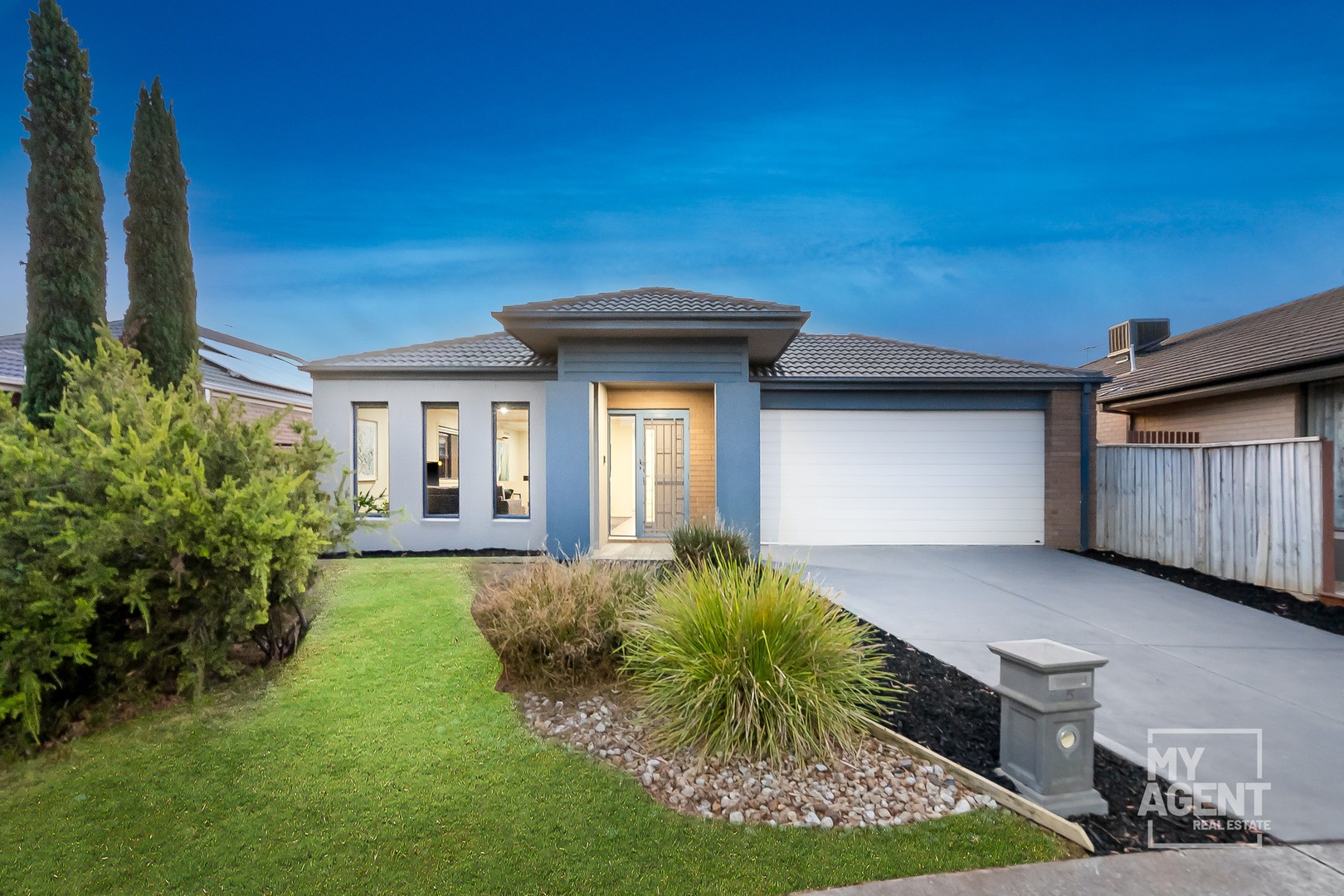
Property photography is illustrative and is not a valuation or one of the properties in the examples.
01 / THE HIDDEN ADVANTAGE
More than somewhere to live.
When Australians think about building wealth, the conversation normally turns to superannuation, shares or investment property.
But one of the biggest tax advantages available to Australian homeowners may already be sitting underneath their feet — the family home.
Under Australia’s tax rules, a property that qualifies fully for the main residence exemption can generally be sold without paying capital gains tax (CGT) on the increase in its value.
That creates an interesting question: could upgrading your family home not only improve your lifestyle today, but also help build housing wealth that may qualify for a CGT exemption when you sell?
The exemption is conditional. Residence history, rental or business use, land size and tax residency can affect whether a full or partial exemption applies.
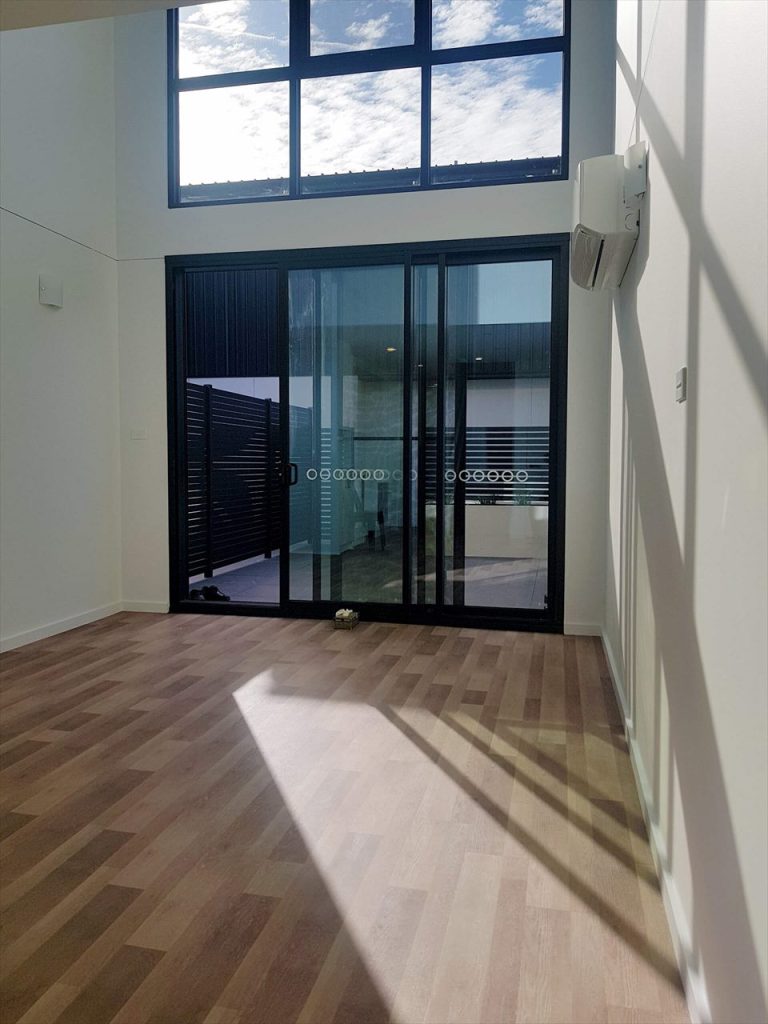
Room to enjoy today. A home to plan around tomorrow.
02 / THE ADVANTAGE OF UPGRADING
The same growth rate. A different dollar outcome.
Consider a simple example. You own a $900,000 home but have the financial capacity to upgrade to a $1.4 million property. Apart from gaining a better location, more space or simply a better lifestyle, you have also moved an additional $500,000 into an asset that may qualify for the main residence CGT exemption.
Hypothetical illustration only: both properties are assumed to increase by 50% over an unspecified period. This is not a forecast or a guaranteed return; actual properties can perform differently.
PROPERTY A
Original value
$900,000
Hypothetical growth
50%
HYPOTHETICAL FUTURE VALUE
$1,350,000
Capital growth
$450,000
PROPERTY B
Original value
$1,400,000
Hypothetical growth
50%
HYPOTHETICAL FUTURE VALUE
$2,100,000
Capital growth
$700,000
$250,000
additional hypothetical capital growth
That is the difference between $700,000 and $450,000 in gross capital growth associated with owning the higher-value property. It is not a tax saving or a net investment return.
Provided the home qualifies fully for the main residence exemption, that growth could potentially be realised without CGT.
Of course, property does not appreciate at a guaranteed rate, and upgrading involves stamp duty, mortgage interest, maintenance and selling costs. Higher borrowing and transaction costs can reduce or outweigh any extra capital growth. Taking on excessive debt simply for a potential tax advantage would make little sense.
But for someone already considering upgrading, the long-term financial implications are worth thinking about.

A different home for a different stage of life. Coombs townhouses shown for illustration, not as the $1.3 million property in the example.
03 / THE RETIREMENT OPPORTUNITY
When your needs change, your home can too.
The strategy becomes particularly interesting later in life. The large family home that suited you at 45 may no longer be necessary at 65.
Suppose that $2.1 million home is eventually sold and replaced with a $1.3 million townhouse or apartment. The difference is approximately $800,000 before transaction costs and any outstanding mortgage or other debt repayments.
$2.1m
Hypothetical sale price
− $1.3m
Replacement home
= $800,000
Gross capital difference
This illustration assumes no outstanding debt and excludes buying, selling and moving costs. The amount actually available to spend or invest may be substantially lower. The $800,000 difference is released capital, not a separate tax benefit.
04 / DOWNSIZER SUPER CONTRIBUTIONS
An opportunity to add to super — if you qualify.
Australia’s downsizer contribution rules may then provide another significant opportunity. Eligible people aged 55 or older can contribute up to $300,000 each from selling an eligible home into superannuation. For a couple, that is potentially $600,000 if both qualify.
UP TO
$300,000
Potential eligible contribution per person
UP TO
$600,000
Potential combined eligible contribution for a couple
Key eligibility checks
01
Age and ownership. You must be 55 or older when contributing. Generally, you or your spouse must have owned the home for at least 10 years before disposal.
02
Eligible Australian home. The home must be in Australia and satisfy the full or partial main residence CGT test, including the relevant pre-CGT rules. Caravans, houseboats and other mobile homes do not qualify.
03
Timing and paperwork. Usually contribute within 90 days of the change of ownership, normally settlement, unless the ATO allows more time. Give your fund the approved downsizer form before or when contributing.
04
One eligible sale. You must not have previously used the downsizer rules for another home sale. Each person’s limit is $300,000, and combined contributions cannot exceed the eligible sale proceeds.
Eligible downsizer contributions do not count towards ordinary contribution caps and are not tax-deductible. They still count towards your total super balance, and amounts moved into retirement phase are subject to your available transfer balance cap. Superannuation access rules also apply.
Despite the name, the downsizer rules do not require you to buy a smaller or cheaper home, or to buy another home at all. The article’s cheaper-home example is one possible scenario.
Check the complete rules with your super fund, registered tax agent and licensed financial adviser before selling or contributing.
ATO: downsizer super contributions ↗
05 / THINK ABOUT THE COMPLETE WEALTH CYCLE
A home for each chapter.
⌂
Buy
↑
Upgrade
♡
Enjoy
+
Build equity
⇄
Downsize
$
Release capital
✓
Retirement
Buy → Upgrade → Enjoy → Build Equity → Downsize → Release Capital → Invest for Retirement.
You enjoy the benefits of a better home while you need it, potentially accumulate housing wealth that qualifies for a CGT exemption, and later unlock some equity when your housing requirements change.
An illustrative journey, not a prescribed strategy. Buying a more expensive home does not guarantee greater equity or a better retirement outcome.
06 / IMPORTANT CONSIDERATIONS
Look at the whole financial picture.
There are important considerations. Your principal residence and money released from it can be treated very differently for tax and social security purposes.
Stamp duty and transaction costs
Allow for transfer duty, legal and conveyancing fees, selling expenses, moving costs and ongoing maintenance. These can materially reduce the result.
Mortgage interest and financial risk
A higher-value home can mean more borrowing, repayments and exposure to changing interest rates. Check affordability and any debt remaining at the eventual sale.
Property market fluctuations
The assumed 50% growth is purely illustrative. Prices can fall, different homes can perform differently and the period required is not specified.
Capital gains tax eligibility
A family home is not automatically fully exempt. Residence history, rental or business use, land size and tax-residency rules need to be checked.
Downsizer contribution eligibility
The age, ownership, property, timing and form requirements all apply. Contribution eligibility does not itself give immediate access to super.
Age Pension implications
Your principal home is generally excluded from the Age Pension assets test. Released funds held outside it can become assessable and may also affect the income test.
Independent professional advice
Ask a registered tax agent and licensed financial adviser to consider your circumstances, including cash flow, super, debt, tax and Centrelink entitlements.
Services Australia generally counts super in the assets test and applies deeming in the income test once you reach Age Pension age. Before then, super is generally excluded if it is not paying a superannuation pension. Your partner’s circumstances can also matter.
Some sale proceeds intended for a replacement principal home may receive a temporary assets-test exemption. This does not automatically exempt surplus funds released by buying a cheaper home.
THE LONG VIEW
But perhaps we should stop thinking about upgrading as simply spending more money on a bigger house.
The right home can improve your lifestyle today while potentially becoming one of the most tax-effective assets you own — and an important part of funding tomorrow’s retirement.
YOUR NEXT STEP
Discover What Your Home Could Be Worth in Today’s Market — In Seconds, for Free!
Whether you’re considering upgrading, downsizing or simply planning for the future, understanding your property’s current market value is a valuable first step.
GET MY FREE PROPERTY REPORT